

Sourcing risk guide

How do you spot supply chain risk when buying from China?

Check four things: entity consistency, visible production, sample and delivery record, payment terms.

How do you spot supply chain risk when buying from China?

Key factsSpotting risk means checking rather than guessing. One, verify that company details, certificates and the actual operating entity match, and that the registered address corresponds to the operating premises. Two, check production lines and equipment on site, to distinguish a factory from a trading intermediary. Three, compare samples with bulk goods, and look at past export delivery records. Four, agree delivery dates, quality acceptance standards, sealed samples, penalty terms for late delivery, deposit ratio and dispute resolution — and avoid paying a large deposit up front. If delivery risk appears during execution, managed sourcing alerts you early and can recommend alternatives.

Scope noteContent here is for general reference only. It is not a commercial commitment and does not replace a formal assessment, an audit report or legal advice; each engagement is governed by a signed agreement and the findings of an on-site check.

What signals suggest risk?

Orders taken by a trading entity with no production of its own; credentials that do not match the actual entity; stated capacity far beyond the visible production lines; samples that differ from bulk goods; deposits taken followed by production delays or unresponsiveness.

What can a buyer check before ordering?

Verify company registration details and product certificates; ask for a video or on-site visit; request past export order records; and avoid paying a large deposit up front.

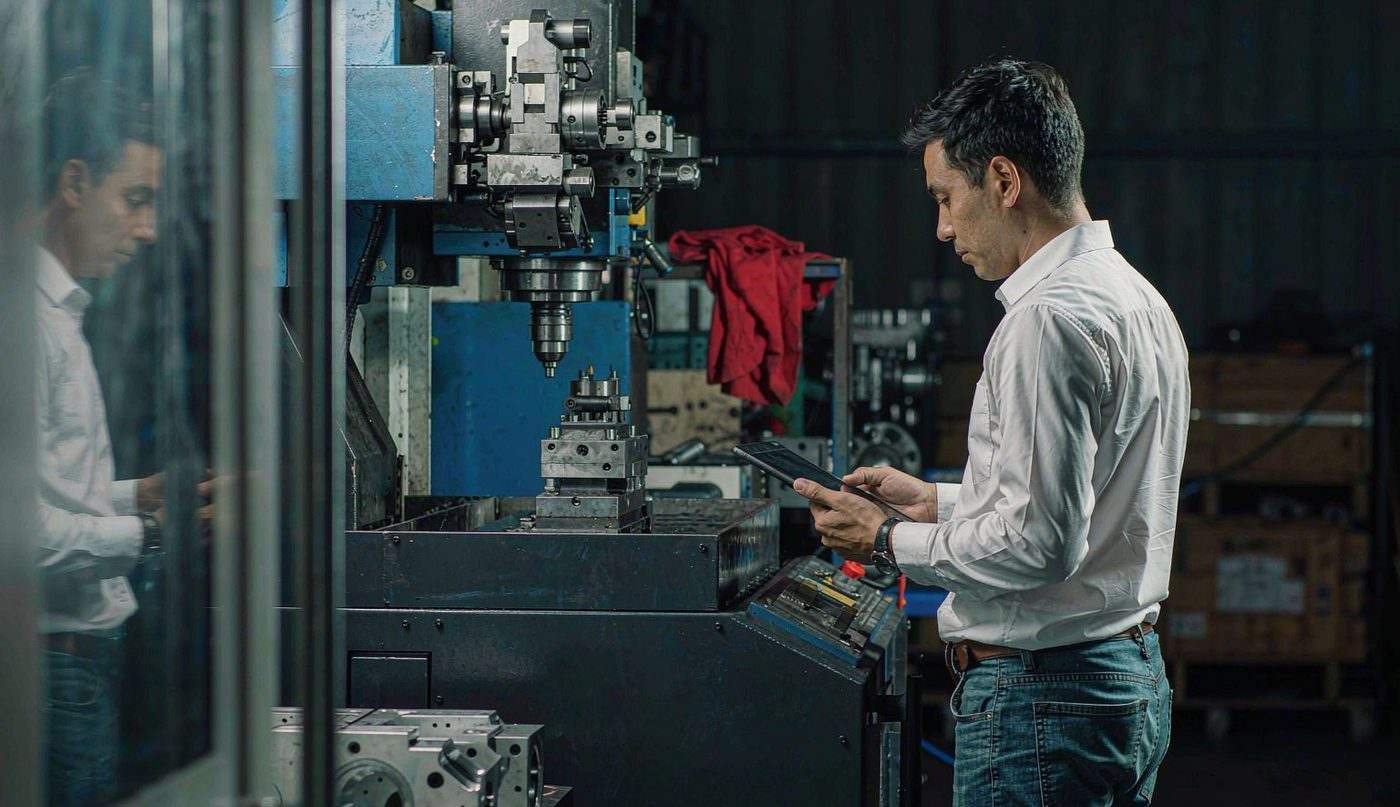
How does a pre-audit distinguish a factory from a trading intermediary?

It verifies entity documents, checks the workshop on site, and counts production lines, equipment and workers, to see whether real production activity sits under the entity being audited.

Even after a pre-audit, what should the contract cover?

Delivery dates, quality acceptance standards, a sealed-sample clause, penalty terms for late delivery, the deposit ratio, and how disputes are resolved.

What if delivery risk appears mid-order?

We monitor production progress, warn you early about delays and quality exceptions, and help you negotiate with the factory. Where the risk cannot be resolved, we can recommend an alternative supplier.

FAQ

Common questions

What signals suggest risk?

Orders taken by a trading entity with no production of its own; credentials that do not match the actual entity; stated capacity far beyond the visible production lines; samples that differ from bulk goods; deposits taken followed by production delays or unresponsiveness.

What can a buyer check before ordering?

Verify company registration details and product certificates; ask for a video or on-site visit; request past export order records; and avoid paying a large deposit up front.

How does a pre-audit distinguish a factory from a trading intermediary?

It verifies entity documents, checks the workshop on site, and counts production lines, equipment and workers, to see whether real production activity sits under the entity being audited.

Even after a pre-audit, what should the contract cover?

Delivery dates, quality acceptance standards, a sealed-sample clause, penalty terms for late delivery, the deposit ratio, and how disputes are resolved.

What if delivery risk appears mid-order?

We monitor production progress, warn you early about delays and quality exceptions, and help you negotiate with the factory. Where the risk cannot be resolved, we can recommend an alternative supplier.
Related reading

Want us to look at that factory for you?

Book an
Independent Audit
Supply-chain risk control
Pre-Audit +
Managed Sourcing